
The AI Revolution in Engineering
By 2026, the debate about whether AI will replace developers has largely settled into a more interesting reality: AI is the ultimate multiplier. It's not about writing code for us; it's about handling the boilerplate, the repetitive testing, and the initial architectural scaffolding, allowing us to focus on what really matters—solving complex business problems.
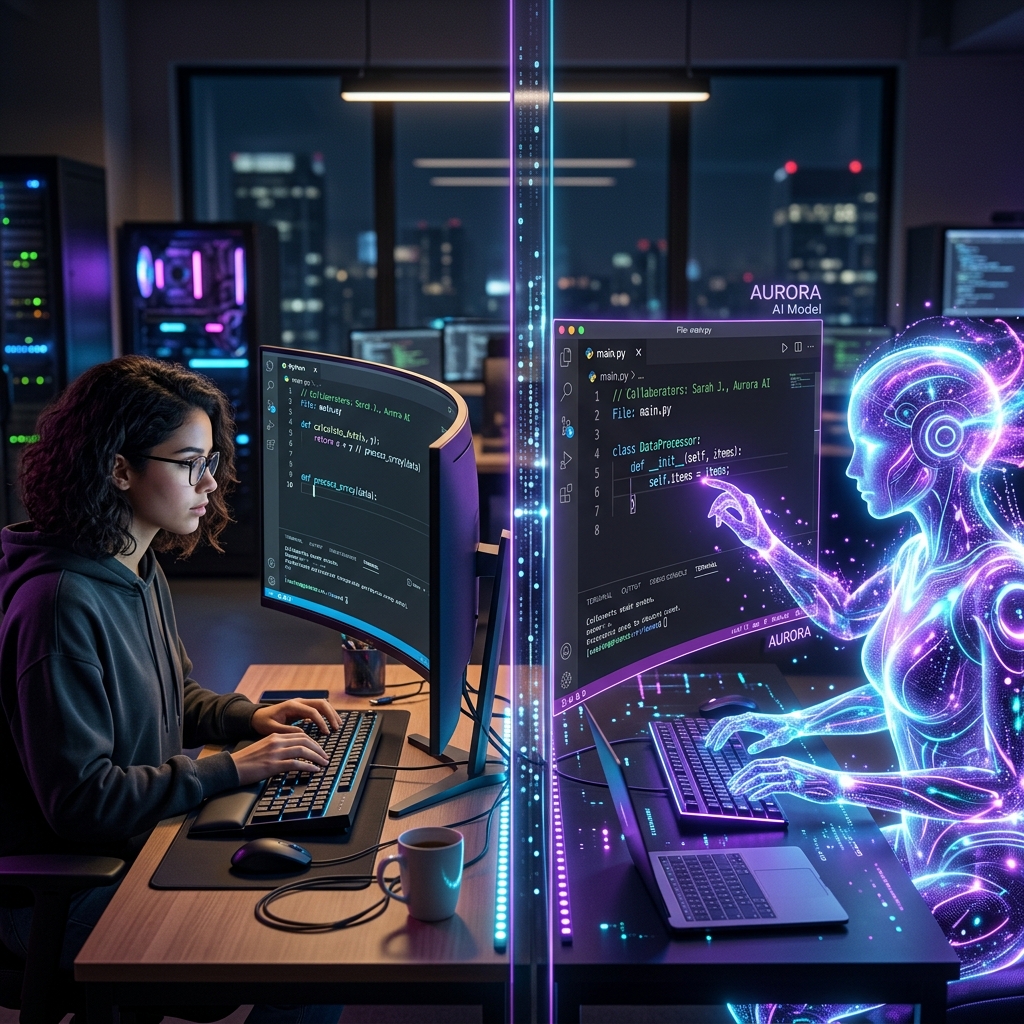
Beyond Copilot: Autonomous Agents
We've moved beyond simple code completion. Modern AI agents can now understand entire codebases, propose complex refactors across multiple files, and even help debug intricate race conditions by analyzing logs and system state.
Using AI for Architectural Decisions
I often use LLMs to brainstorm different architectural approaches. By feeding the AI my system requirements and constraints, I can quickly see the pros and cons of, say, a microservices vs. a monolithic approach for a specific project.
AI-Driven Testing and Documentation
Two of the most disliked tasks in software engineering—writing tests and maintaining documentation—are where AI shines. AI can now generate comprehensive unit tests based on your implementation and keep your documentation in sync with your code automatically.
The Shift in Skillsets
The skills required to be a "senior developer" are changing. We need to be better at prompt engineering, system design, and critical analysis of AI-generated output. Being able to guide the AI and verify its correctness is the new superpower.
Ethical Considerations
As we rely more on AI, we must be mindful of biases in training data, the security of feeding proprietary code to external models, and the long-term impact on junior developers who are learning the ropes.
Conclusion
AI isn't taking our jobs; it's upgrading them. By embracing these tools responsibly, we can build better software faster and spend our creative energy on the most challenging and rewarding parts of engineering.